phar・ma・cist | \fär-mə-sist\ 名詞 a healthcare professional licensed to treat disease, manage medications, monitor drug interactions, provide certain primary and specialty care services, and prescribe and dispense medications.
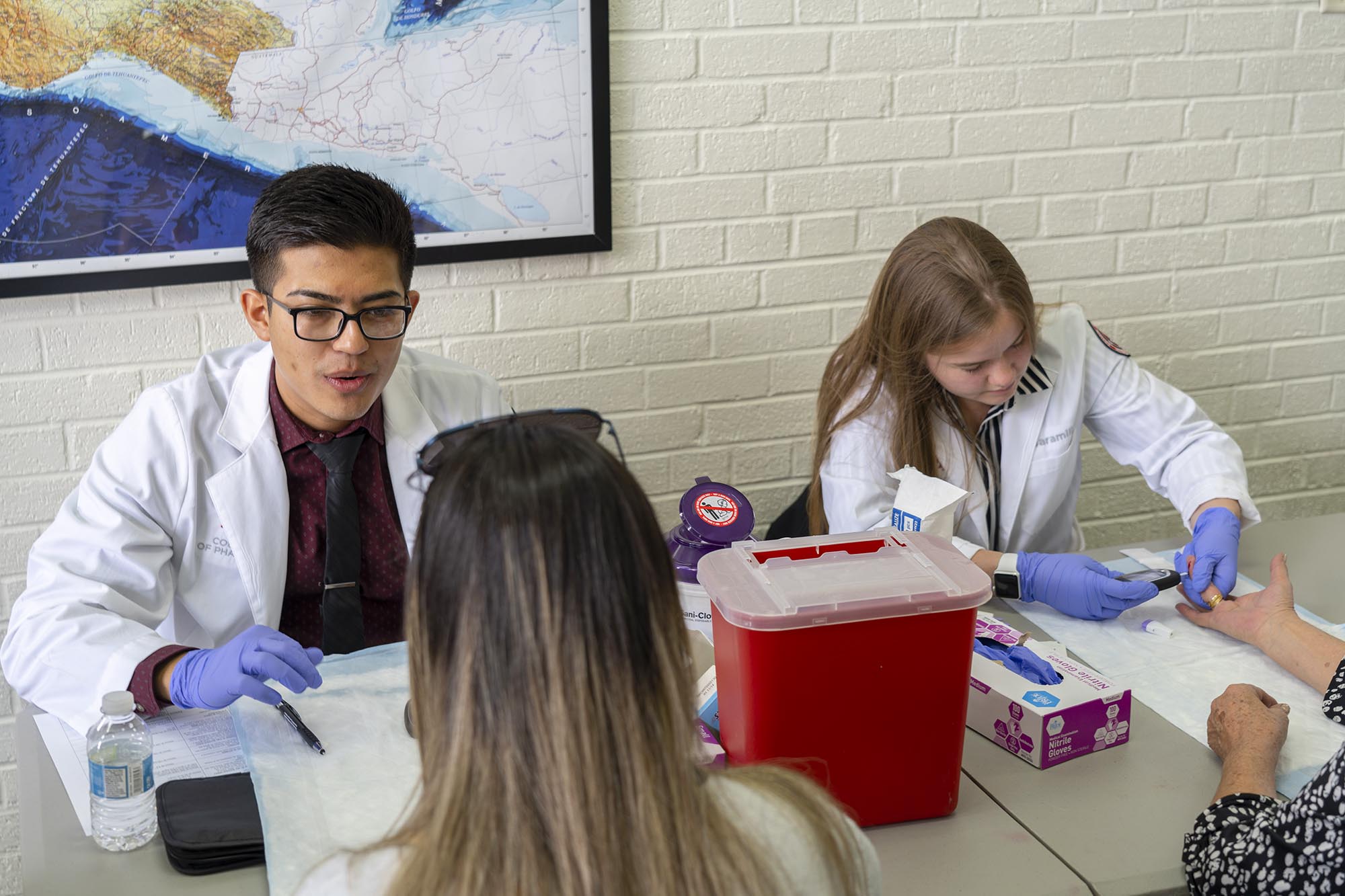
With over 300 distinct job descriptions, pharmacists are one of the most versatile members of the interprofessional healthcare team. 投薬の専門家として、彼らの知識は彼らを救急治療室、専門クリニック、腫瘍学センター、心臓治療ユニット、毒物管理センター、そして特に地域の薬局内の患者ケアの中心に置きます。
In the United States, pharmacists are licensed to practice after receiving a Doctor of Pharmacy (PharmD) degree and passing a state board of pharmacy examination. Much like other healthcare providers, pharmacists can practice at varying levels and may choose to specialize through further training and certification.
Pharmacy combines science, healthcare, computer technology, business, math and counseling to improve the health of local and global communities. While careers in the sciences traditionally involve limited interaction with the public, pharmacy offers a rare balance of independence and interaction as you could expect to both collaborate with fellow providers and counsel patients. The versatility of pharmacy also means that there is no limit to how and where you practice. Looking for excitement? Pharmacists even have a place on the front lines, offering services during natural disasters, epidemics, and other crises.
成長の余地
There is and will always be need for pharmacists in a wide variety of work settings: community pharmacies, hospitals, long-term care facilities, the pharmaceutical industry, mail order pharmacy centers, managed care organizations, and government agencies. Movement between various industries can be easy, offering countless opportunities over the course of an entire career. Great pharmacists are life-long learners and pursue continuing education opportunities allowing them to be on the forefront of new developments in the medicines and healthcare.

 (505)272-3241